Balloon pre-dilation
A small balloon prepares the vessel and confirms the lesion can be safely treated.
Open the artery. Restore the flow.
Percutaneous coronary intervention (PCI) is how we treat the blockages we find on angiography. A tiny balloon opens the narrowing, and a drug-eluting stent props it open for the long term. Most patients leave the hospital within 24 hours and return to normal activity within a week.
No surprises — here's exactly what to expect, in time, anaesthesia and follow-up.
A focused, high-volume set of procedures — performed often and performed well, by the same senior team every time.
A small balloon prepares the vessel and confirms the lesion can be safely treated.
A latest-generation stent permanently scaffolds the artery and releases medication to prevent re-narrowing.
Inside-the-artery ultrasound or light imaging — used routinely for precise sizing and optimal results.
Bifurcation, calcified, chronic-total-occlusion and left-main lesions, performed by senior operators only.
For heavily calcified vessels that won't yield to a balloon alone.
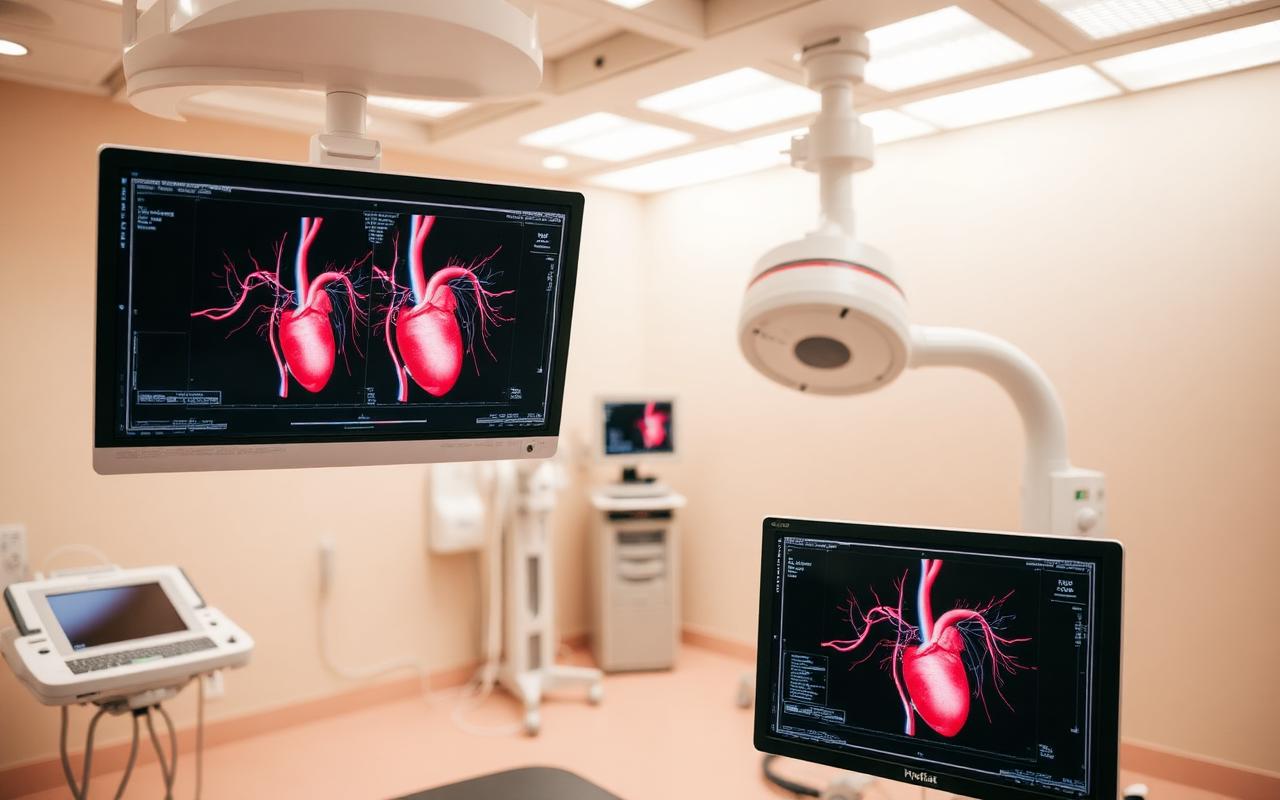
The equipment behind this specific service — chosen because precise tools support precise decisions.
Ultra-thin-strut platforms with proven 5- and 10-year outcome data.
Imaging-guided PCI is associated with lower stent failure and is our default for left-main and complex cases.
Rotational atherectomy for calcified lesions that resist balloon dilation.
On-call mechanical support for high-risk PCI and cardiogenic shock.
Dual antiplatelet therapy is started, and bloodwork and ECG are confirmed.
60–120 minutes typically, under light sedation, via the wrist artery.
Overnight observation, then a 12-month medication and cardiac-rehab plan tailored to you.
Wallet card with stent type, length, location and antiplatelet end-date — show it to any future doctor or dentist.
Clear written taper with calendar reminders; never stop without consulting us.
LDL target < 1.4 mmol/L, BP < 130/80, structured cardiac rehab from week 2–4.
Built-in follow-ups — and a stress test at 12 months if symptoms return.
"I had a heart attack on Sunday night and was back at my office on Friday. That fact alone still surprises me."
If yours isn't here, ask our team — we love a good question.
Modern DES are designed for life. Long-term success depends on medications, lipid control and lifestyle.
Dual antiplatelets for 6–12 months, then usually aspirin alone. We tailor this to your bleeding risk.
Light walking the next day; structured cardiac rehab usually starts within 2–4 weeks.
The same standards apply to every service we offer.
Every study is read and every procedure performed by a fellowship-trained cardiologist or vascular surgeon — never an outsourced reader.
ECG, echo and duplex ultrasound on-site, with results explained in plain language before you leave the clinic.
We default to wrist access, local anaesthesia and outpatient pathways — so most patients are home the same day.
One named cardiologist follows you from first visit through recovery. No revolving door, no repeated histories.
Open Mon–Fri 8:00–18:00, Sat 8:00–12:00. Same-day urgent slots reserved every morning.
Speak to a clinical team member before you book. No call centres — real clinicians.
Choose a time that fits your week. Confirmation and pre-visit guidance arrive immediately.
Book a visit, send us a question, or simply walk in. We'll take it from there — calmly, clearly, and at your pace.

ECG, echocardiography, stress testing and 24-hour Holter monitoring for early, accurate insight.
Learn moreCoronary angiography, angioplasty and stenting in our state-of-the-art catheterization lab.
Learn more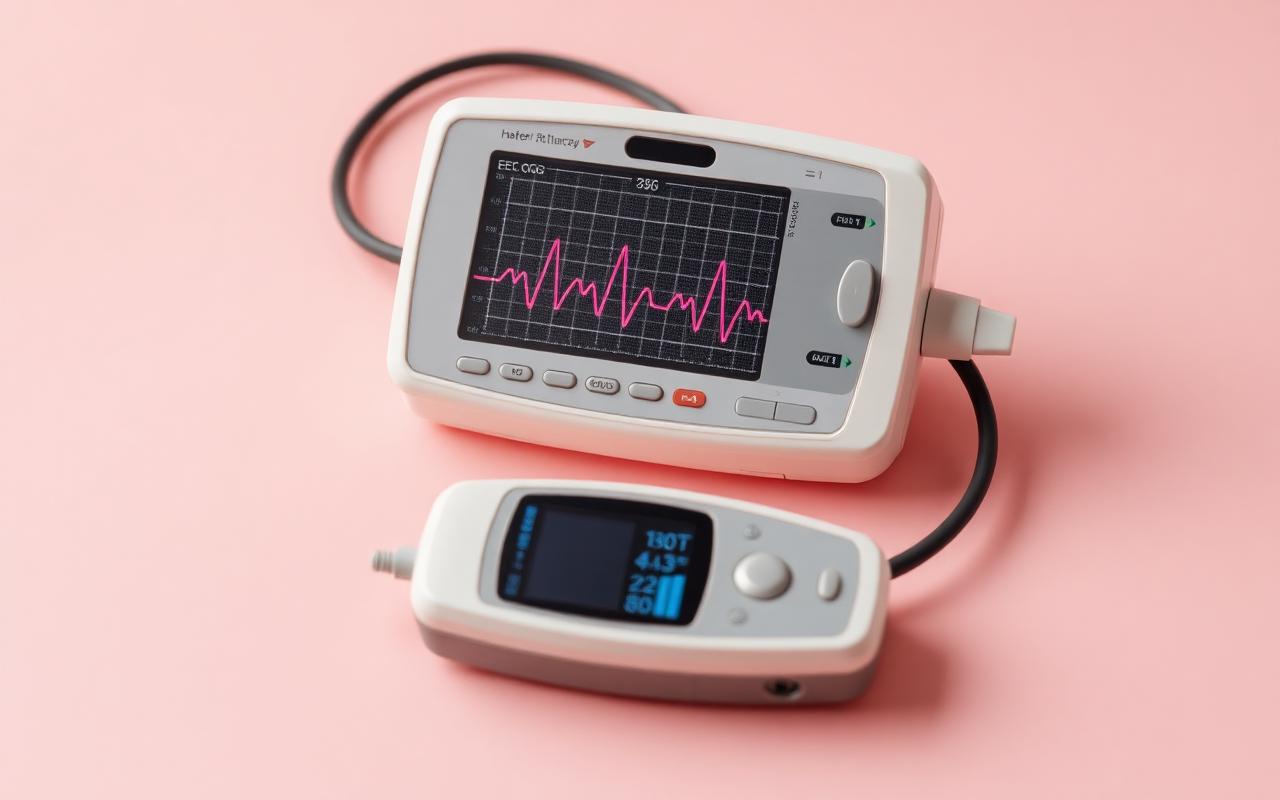
Arrhythmia diagnosis, ablation procedures and pacemaker programming under one roof.
Learn more