Same-day duplex ultrasound
Painless, radiation-free imaging that confirms or rules out a clot within minutes.
Catch the clot. Protect the leg. Prevent the lung.
A deep-vein thrombosis (DVT) is a clot in one of the body's deep veins — most often in the calf or thigh. Untreated, it can damage the leg permanently or break loose and cause a pulmonary embolism. Treated promptly, most patients recover fully. We offer same-day ultrasound, immediate anticoagulation when indicated, and structured follow-up to prevent recurrence.
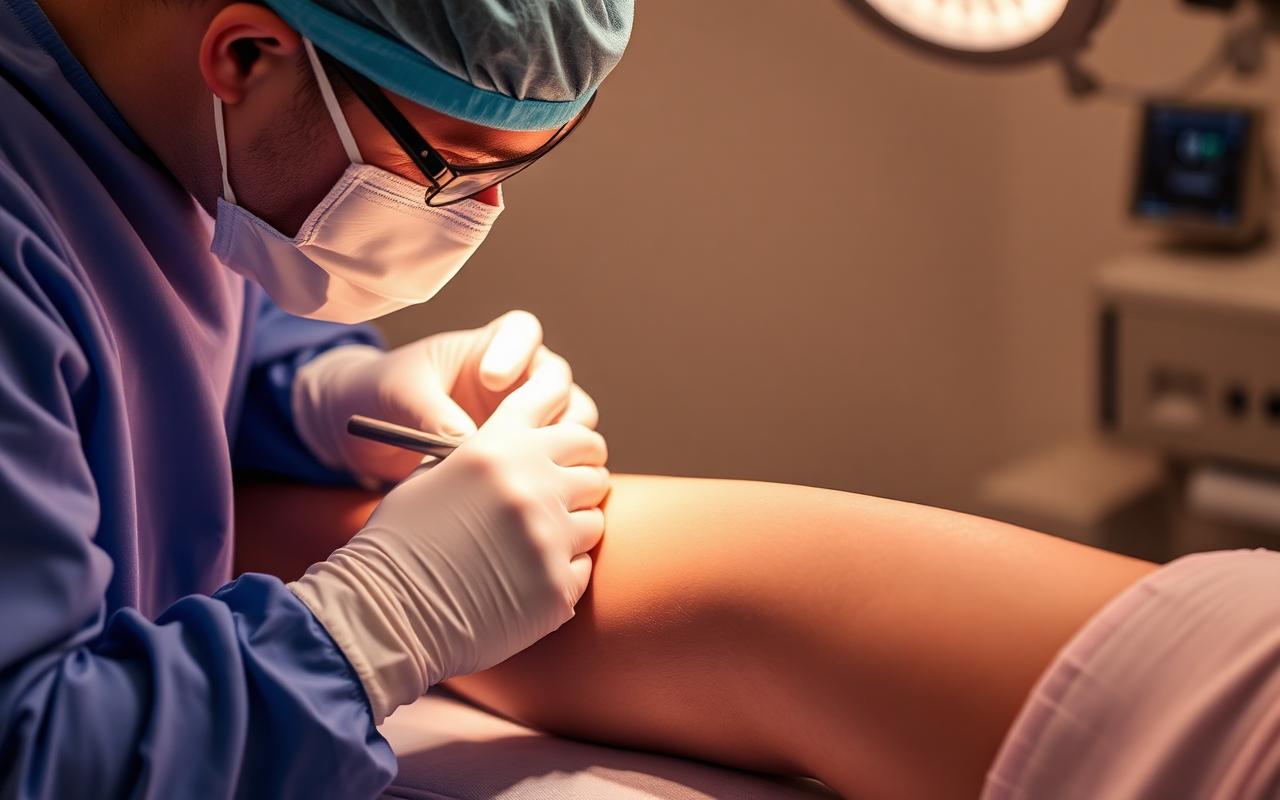
No surprises — here's exactly what to expect, in time, anaesthesia and follow-up.
A focused, high-volume set of procedures — performed often and performed well, by the same senior team every time.
Painless, radiation-free imaging that confirms or rules out a clot within minutes.
Bloodwork to assess clot burden and screen for inherited or acquired clotting tendencies.
Most DVTs are now managed safely at home with direct oral anticoagulants — no injections required for most patients.
For large iliofemoral clots in young, active patients — a catheter delivers clot-dissolving medication directly to the thrombus.
Reserved for patients who cannot tolerate anticoagulation; always with a planned retrieval date.
The equipment behind this specific service — chosen because precise tools support precise decisions.
High-frequency probes optimised for whole-leg vein compression studies.
Lab-grade result in under 15 minutes — speeds the rule-out pathway.
Apixaban, rivaroxaban and edoxaban — once- or twice-daily tablets, no monitoring.
Mechanical and ultrasound-assisted catheter thrombolysis for severe iliofemoral DVT.
Walk-in evaluation, ultrasound and treatment plan in a single visit — usually under two hours.
Anticoagulation is started immediately if a DVT is confirmed. Most patients go home the same day.
Reviews at 3 and 6 months to assess clot resolution, recurrence risk and duration of therapy.
Dose, duration, do's and don'ts on a single page you keep on the fridge.
Class II stocking on the affected leg for 6 months reduces post-thrombotic syndrome by half.
We recalculate your HERDOO2 / Vienna score at month 3 to decide on extended treatment.
Only when it changes management — never as a reflex; explained in detail before any blood draw.
"I walked in scared, walked out two hours later with a tablet, a plan and my cardiologist's WhatsApp. I never needed the ER."
If yours isn't here, ask our team — we love a good question.
Most patients are now treated entirely as outpatients. Hospital admission is reserved for very large clots or unstable patients.
Typically 3–6 months — longer if the clot was unprovoked, recurrent or related to cancer. We reassess at every visit.
Gentle walking is encouraged from day one. We will guide you back to your usual activity safely.
The same standards apply to every service we offer.
Every study is read and every procedure performed by a fellowship-trained cardiologist or vascular surgeon — never an outsourced reader.
ECG, echo and duplex ultrasound on-site, with results explained in plain language before you leave the clinic.
We default to wrist access, local anaesthesia and outpatient pathways — so most patients are home the same day.
One named cardiologist follows you from first visit through recovery. No revolving door, no repeated histories.
Open Mon–Fri 8:00–18:00, Sat 8:00–12:00. Same-day urgent slots reserved every morning.
Speak to a clinical team member before you book. No call centres — real clinicians.
Choose a time that fits your week. Confirmation and pre-visit guidance arrive immediately.
Book a visit, send us a question, or simply walk in. We'll take it from there — calmly, clearly, and at your pace.
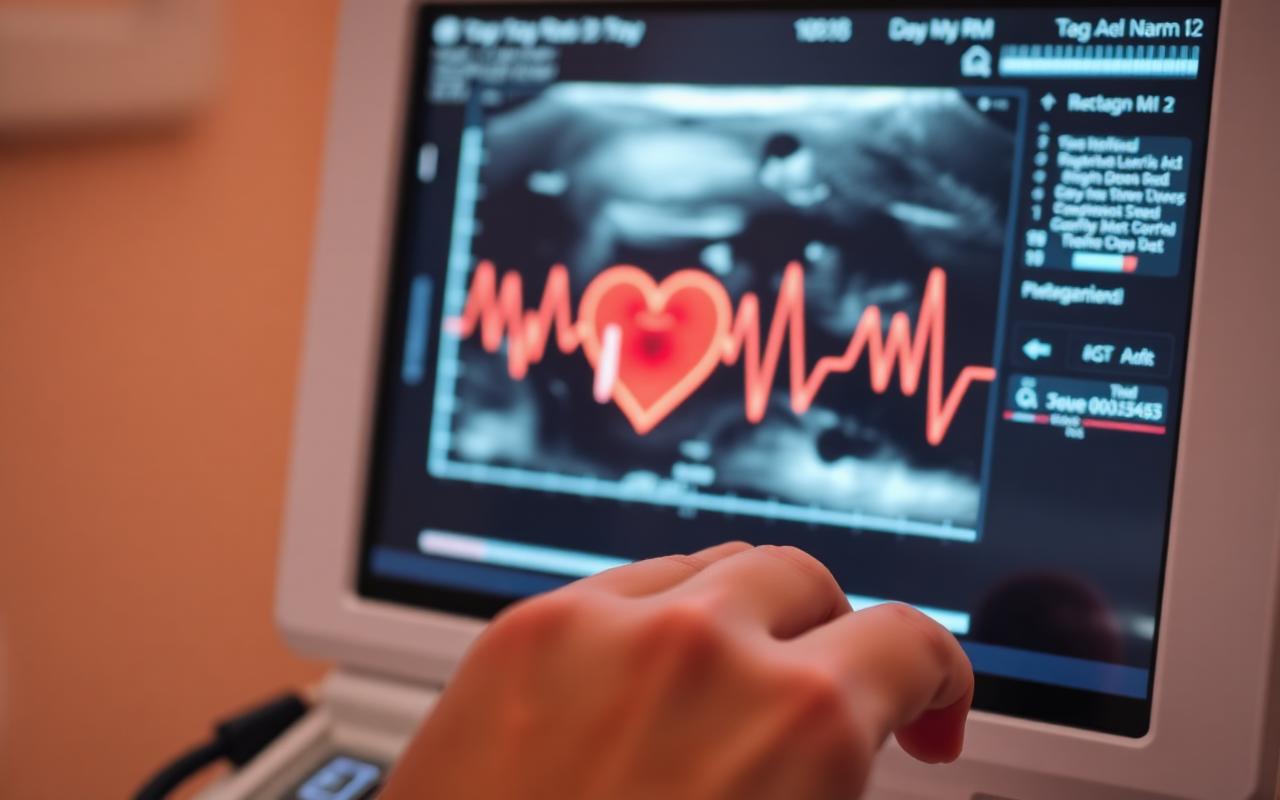
ECG, echocardiography, stress testing and 24-hour Holter monitoring for early, accurate insight.
Learn more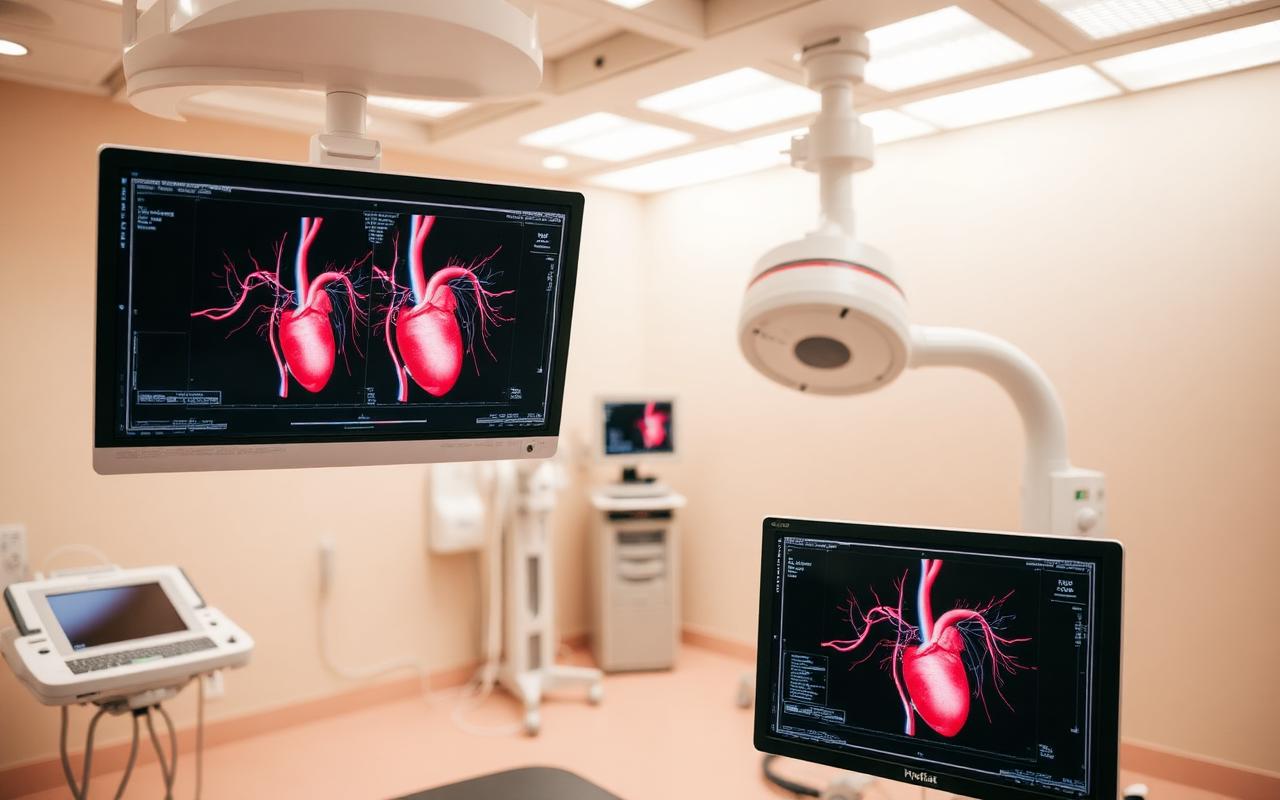
Coronary angiography, angioplasty and stenting in our state-of-the-art catheterization lab.
Learn more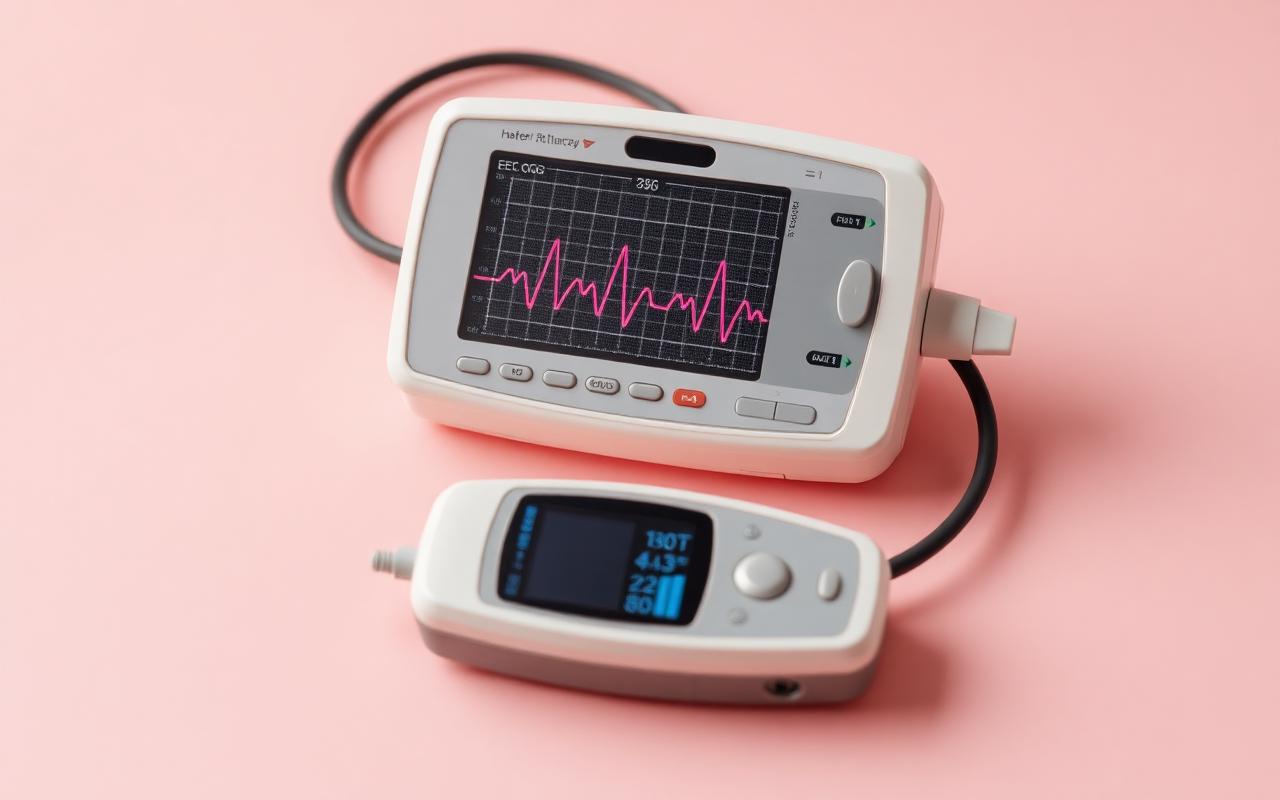
Arrhythmia diagnosis, ablation procedures and pacemaker programming under one roof.
Learn more